The Spot Is Just The Centerpiece
Brian Tice
Feb 6, 2026
Lived Experience
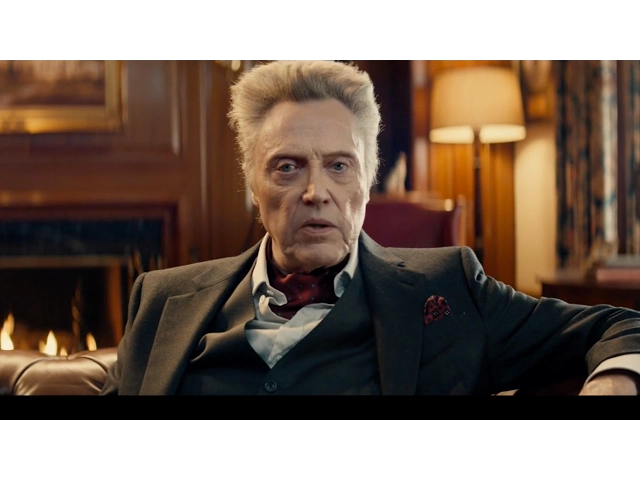
In 2016, I sat in Bai's Trenton, New Jersey office as we greenlit a Super Bowl ad that cost around $5 million, plus production. Christopher Walken and Justin Timberlake on a couch in front of a roaring fire. Walken reciting NSYNC's "Bye Bye Bye" as "Bai Bai Bai." Timberlake just sitting there, silent.
We weren't trying to move cases at Whole Foods the Monday after the game. We were solving a pronunciation problem. Someone would ask what you were drinking, you'd say "Bai," and they'd stare blankly until you showed them a photo on your phone. "Oh, you mean 'Bay'?" The Super Bowl spot bought us permission to have that conversation at scale.
The Playbook
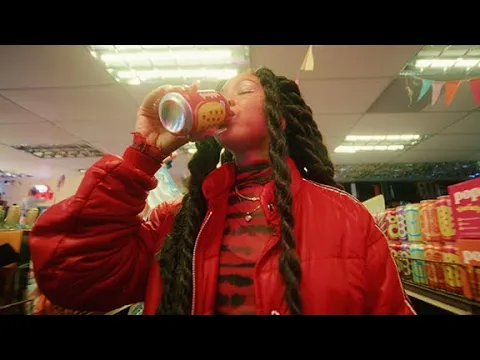
Fast forward to 2024. Poppi does the same thing with a different problem. They don't reinforce "gut-healthy soda" or "prebiotic soda." They own SODA. Not the healthier alternative. THE SODA. The Super Bowl gives them the cultural velocity to reframe an entire category.
And this year? Anthropic's Claude is going after OpenAI's ChatGPT in what's shaping up to be the great AI war.
Anthropic dropped four ads this week. Each opens with "BETRAYAL," "VIOLATION," "TREACHERY," "DECEPTION" before cutting to AI chatbots that give advice, then awkwardly pivot to product pitches. A man asking how to communicate with his mom gets therapy advice, then gets pitched a cougar-dating site called Golden Encounters. Another guy asking about six-pack abs gets sold height-boosting insoles for "short kings." The tagline: "Ads are coming to AI. But not to Claude."
Sam Altman laughed. Then he melted down. Called Anthropic "dishonest" and "authoritarian" in a novella-length X rant. Insisted ChatGPT would never run ads the way Anthropic depicted. But here's the thing: the ads haven't even aired yet.
Before the Whistle
Anthropic runs a 60-second pregame spot and a 30-second in-game spot on Sunday, estimated to reach 120 million viewers. But two days after dropping the ads online, they'd already racked up over 2 million views across YouTube and Instagram. TechCrunch, CNBC, Variety, Ad Age, San Francisco Chronicle—all covering the ads and Altman's meltdown. The internet watching two AI giants publicly brawl. The pre-game period created the cultural moment. By the time the spot airs, the story's already out there.
The Death of the Spot
The data on Super Bowl effectiveness is brutal. According to ABX Advertising Benchmark Index, which has measured Super Bowl ads for eleven years, 2024 marked a historic low:
The average effectiveness score hit 97, below the norm of 100
For the first time, 48% of individual ads performed below norm
Worst performance in 10 years
Brands are paying $8 million (up from $7 million in 2024, with some 2026 slots hitting $10 million) for a 30-second spot. Nearly half are performing worse than regular ads that cost 35 times less. Since 2014, Super Bowl ad costs have grown 5.8% annually—more than twice as fast as the 2.4% annual increase for normal national media.
When researchers linked ad effectiveness to actual sales data: of fifteen food, beverage, and retailer brands analyzed, only 4 were profitable. Eleven lost money. The golden age of Super Bowl advertising, if it ever existed, is over.
The Conspiracy
Here's what's actually happening: brands now need pre-game teasers + the $8M spot + post-game social amplification + influencer seeding just to make the investment viable. That's not efficiency. That's admission.
Neuromarketing research suggests that blending traditional media with social amplification can generate up to three times the organic engagement compared to TV alone. But that's not a multiplier. That's baseline. CeraVe understood this in 2024. They built a three-week conspiracy that generated 15.4 billion impressions before the Super Bowl commercial even aired:
Planted paparazzi photos
Influencer unboxings
Podcast appearances
A fake website asking "What does Michael Cera have to do with CeraVe?"
The campaign unfolded across TikTok, Instagram, X, and Reddit. 400+ influencers organically joined the conversation. By the time the Super Bowl spot aired (Cera pitching his absurd "I am CeraVe" concept to an unamused board of dermatologists), the entire internet was already in on the joke. The campaign earned 9 billion impressions before kickoff.
CeraVe's Adam Kornblum was explicit: "It wasn't really about an ad, it was about building a world, earned first, so when the ad hits, the story is out there." The spot wasn't the campaign. It was the punchline. Anthropic just ran the same play. Sam Altman's meltdown was the amplification. Every tech publication covered it. The ads went viral. The narrative wrote itself.
The Question
Most brands fail because they buy Super Bowl spots for "brand awareness" without defining what kind of awareness or what strategic problem they're solving.
Bai in 2016: People literally can't say our name.
Poppi in 2024: We need to own "soda," not "healthy alternative."
CeraVe in 2024: Competitors are co-opting our "dermatologist-developed" claim; we need to reclaim it.
Anthropic in 2026: OpenAI owns AI mindshare; we need to differentiate on values at the exact moment they're vulnerable.
Each had a specific problem. The Super Bowl spot was the unlock.
The Math
Production budgets for top-tier Super Bowl spots add $1-5 million to the campaign cost, plus celebrity fees of $1-3 million for mid-range stars or $10 million+ for top talent. But that's table stakes. The real cost is weeks of pre-game content, influencer partnerships, social amplification, and post-game activation. If you're just buying the $8M spot and hoping it works, you're already behind.
With costs at $8 million per 30 seconds, the pressure to deliver ROI has never been higher. Data suggests that unless a brand breaks into the top tier of cultural relevance, it's unlikely to see long-term value. Fragmented attention and competing distractions make it increasingly difficult for even the biggest brands to own a Super Bowl moment.
The Truth
The brands that win in 2026 won't be the ones buying the biggest spots. They'll be the ones who understand that the spot is just the centerpiece of a much larger strategic play, one that starts weeks before kickoff and extends long after.
They'll have clarity on the problem they're solving. They'll build ecosystems, not just ads. In 2026, Super Bowl advertising isn't about the 30 seconds during the game. It's about whether you can turn those 30 seconds into a cultural moment that unlocks everything else.